
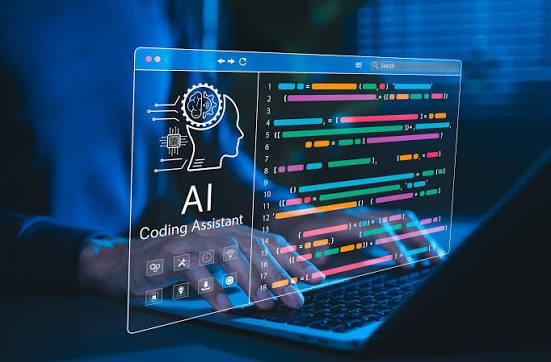
Technology and software have become essential components of modern life, transforming the way individuals, businesses, and governments operate. Advances in digital technology have increased productivity, improved communication, enhanced decision-making, and created entirely new industries. Organizations of all sizes rely on software solutions to manage operations, analyze data, automate tasks, and deliver services to customers. Among the most important areas in today’s technology landscape are Software as a Service (SaaS), Artificial Intelligence (AI), cybersecurity, and cloud computing. These technologies continue to drive innovation and shape the future of business and society.
SaaS Tools
Software as a Service (SaaS) is a software delivery model in which applications are hosted online and accessed through the internet rather than being installed on individual computers. SaaS has become increasingly popular because it offers convenience, scalability, and cost efficiency. Instead of purchasing expensive software licenses and maintaining complex infrastructure, businesses can subscribe to cloud-based applications and pay a recurring fee based on usage or subscription plans.
SaaS tools are used for a wide variety of business functions, including communication, project management, customer relationship management, accounting, marketing, and collaboration. Popular examples include Salesforce for customer relationship management, Microsoft 365 for productivity, and Slack for team communication. These platforms allow employees to access data and applications from anywhere with an internet connection, making remote work and global collaboration easier than ever.
One of the major advantages of SaaS is automatic updates and maintenance. Service providers handle software upgrades, security patches, and infrastructure management, allowing users to focus on their core activities. SaaS solutions also offer flexibility because organizations can easily scale their subscriptions as business needs change. As digital transformation continues, SaaS remains one of the fastest-growing segments of the software industry.
Artificial Intelligence (AI)
Artificial Intelligence (AI) refers to the development of computer systems capable of performing tasks that typically require human intelligence. These tasks include learning from data, recognizing patterns, understanding language, making decisions, and solving complex problems. AI has rapidly evolved in recent years and is now used across industries such as healthcare, finance, education, manufacturing, transportation, and entertainment.
AI technologies include machine learning, deep learning, natural language processing, computer vision, and generative AI. Machine learning enables systems to improve their performance through experience and data analysis. Natural language processing allows computers to understand and generate human language, while computer vision enables machines to analyze images and videos.
Businesses use AI to automate repetitive tasks, improve customer service, analyze large datasets, detect fraud, and optimize operations. AI-powered chatbots, recommendation systems, virtual assistants, and predictive analytics tools have become common in everyday applications. In healthcare, AI assists doctors in diagnosing diseases and analyzing medical images. In finance, it helps detect fraudulent transactions and assess investment opportunities.
Although AI offers tremendous benefits, it also raises concerns regarding privacy, bias, job displacement, and ethical decision-making. Organizations and governments continue to develop regulations and best practices to ensure that AI is used responsibly and transparently. As technology advances, AI is expected to play an even greater role in shaping the future of work and society.
Cybersecurity
Cybersecurity is the practice of protecting computer systems, networks, software, and data from cyber threats, unauthorized access, and digital attacks. As businesses and individuals increasingly depend on digital technologies, cybersecurity has become one of the most critical areas of information technology.
Cyber threats can take many forms, including malware, ransomware, phishing attacks, data breaches, identity theft, and denial-of-service attacks. Cybercriminals often target sensitive information such as financial records, personal data, intellectual property, and confidential business information. A successful cyberattack can result in financial losses, reputational damage, legal consequences, and operational disruptions.
To protect against these threats, organizations implement various security measures, including firewalls, antivirus software, encryption, multi-factor authentication, security monitoring systems, and employee training programs. Regular software updates and strong password policies are also essential components of cybersecurity strategies.
Cybersecurity professionals play a vital role in identifying vulnerabilities, monitoring threats, responding to incidents, and ensuring compliance with security standards and regulations. As cyber threats continue to evolve, organizations must adopt proactive security practices and invest in advanced technologies to safeguard their digital assets. Effective cybersecurity is no longer optional; it is a fundamental requirement for operating safely in the digital age.
Cloud Computing
Cloud computing is the delivery of computing services such as servers, storage, databases, networking, software, and analytics over the internet. Instead of purchasing and maintaining physical hardware, organizations can access computing resources on demand from cloud service providers. This model provides flexibility, scalability, and cost savings while reducing the need for extensive in-house infrastructure.
Cloud computing services are generally categorized into three main models: Infrastructure as a Service (IaaS), Platform as a Service (PaaS), and Software as a Service (SaaS). IaaS provides virtualized computing resources, PaaS offers development platforms for building applications, and SaaS delivers fully managed software applications to end users.
Leading cloud providers such as Amazon Web Services (AWS), Microsoft Azure, and Google Cloud enable businesses to deploy applications, store data, and scale resources according to demand. Cloud computing supports innovation by allowing organizations to experiment, develop, and launch services more quickly than traditional infrastructure models.
Benefits of cloud computing include reduced capital expenses, improved reliability, enhanced collaboration, disaster recovery capabilities, and global accessibility. Employees can access cloud-based resources from virtually any location, supporting remote work and international operations. However, organizations must also address concerns related to data privacy, compliance, vendor dependence, and security when adopting cloud solutions.
Conclusion
SaaS tools, artificial intelligence, cybersecurity, and cloud computing are among the most influential technologies shaping the modern digital world. SaaS simplifies software access and management, AI enhances automation and decision-making, cybersecurity protects valuable digital assets, and cloud computing provides flexible and scalable infrastructure. Together, these technologies drive innovation, improve efficiency, and create new opportunities for businesses and individuals. As digital transformation continues to accelerate, understanding these areas will remain essential for success in the technology-driven economy of the future.








Leave a Reply