
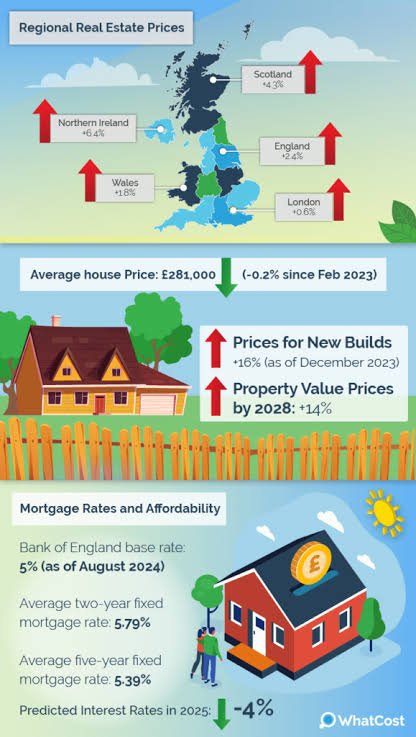
Real estate refers to land and any permanent structures built on it, such as houses, apartments, offices, and commercial buildings. It is one of the most valuable asset classes in the world and plays a significant role in personal wealth, investment portfolios, and economic development. Real estate activities generally involve property buying, renting, and financing through mortgages. Understanding these aspects is essential for making informed financial and investment decisions.
Property Buying
Property buying is the process of purchasing real estate for personal use, business purposes, or investment. Buying a property is often one of the largest financial decisions an individual will make during their lifetime. The process usually begins with determining a budget, selecting a suitable location, and identifying the type of property that meets the buyer’s needs.
Several factors influence property purchasing decisions, including location, property size, neighborhood quality, accessibility, market conditions, and future development prospects. Buyers often conduct property inspections and legal checks before finalizing a purchase to ensure that the property is in good condition and free from legal disputes.
One of the major advantages of property ownership is long-term wealth creation. Real estate values often appreciate over time, allowing owners to build equity and increase their net worth. Property owners also gain stability because they are not subject to rent increases or landlord decisions.
However, buying property requires significant financial commitment. Buyers must consider the purchase price, down payment, taxes, maintenance costs, insurance expenses, and potential repairs. Careful financial planning is essential to ensure that property ownership remains affordable and sustainable.
For investors, real estate can generate income through rental payments while also benefiting from potential appreciation in property value. This combination of income and capital growth makes real estate a popular investment option worldwide.
Renting Property
Renting is an alternative to property ownership that allows individuals to occupy a property in exchange for regular payments to a landlord. Renting is common among students, young professionals, families, and individuals who prefer flexibility or are not yet financially prepared to purchase a property.
A rental agreement or lease outlines the terms and conditions of the arrangement, including rent amount, payment schedule, security deposit, maintenance responsibilities, and lease duration. Both landlords and tenants must comply with the terms specified in the agreement.
One of the primary advantages of renting is flexibility. Tenants can relocate more easily for employment, education, or lifestyle changes without the long-term commitment associated with property ownership. Renting also requires less upfront capital since tenants typically only pay a security deposit and initial rent payments.
Another benefit is reduced responsibility for maintenance and major repairs, which are often handled by the property owner. This can save tenants significant time and money.
However, renting also has disadvantages. Monthly rent payments do not build ownership equity, and landlords may increase rents over time. Additionally, tenants have limited control over property modifications and may face restrictions imposed by landlords.
Despite these limitations, renting remains an attractive option for individuals seeking affordability, mobility, and convenience.
Mortgages
A mortgage is a long-term loan used to finance the purchase of real estate. Since most people cannot afford to pay the full property price upfront, mortgages provide a practical solution by allowing buyers to spread payments over many years.
In a mortgage arrangement, the lender provides funds for the property purchase, while the property itself serves as collateral. If the borrower fails to make required payments, the lender may repossess the property through foreclosure.
Mortgage payments typically include principal and interest. The principal represents the amount borrowed, while interest is the cost of borrowing the money. Some mortgage payments may also include property taxes and insurance premiums.
There are several types of mortgages, including fixed-rate mortgages and adjustable-rate mortgages. Fixed-rate mortgages maintain the same interest rate throughout the loan term, providing predictable monthly payments. Adjustable-rate mortgages have interest rates that may change over time based on market conditions.
Mortgage approval depends on factors such as income, employment history, credit score, debt levels, and the size of the down payment. Borrowers with strong financial profiles usually qualify for lower interest rates and better loan terms.
Mortgages make homeownership accessible to millions of people and support growth in the housing market. However, borrowers must carefully evaluate their financial situation before committing to a long-term mortgage obligation.
Conclusion
Real estate is a critical component of personal finance and investment. Property buying allows individuals to build wealth and secure long-term ownership, while renting offers flexibility and lower upfront costs. Mortgages bridge the gap between affordability and ownership by providing financing solutions for property purchases. Together, these elements form the foundation of the real estate market and contribute significantly to economic growth, financial stability, and wealth creation.









Leave a Reply