
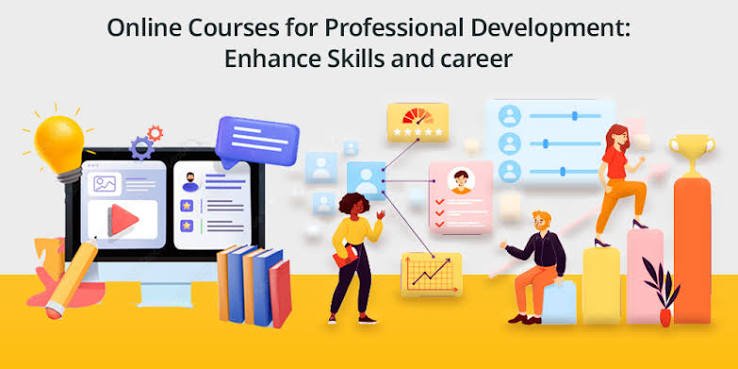
Education and professional courses play a vital role in personal development, career advancement, and economic growth. In today’s rapidly changing job market, employers increasingly seek individuals who possess specialized knowledge, practical skills, and industry-recognized qualifications. While traditional education provides a strong academic foundation, professional courses and certifications help individuals develop specific competencies required in modern workplaces. These programs enable students, professionals, and job seekers to enhance their expertise, improve employability, and remain competitive in their chosen fields. Among the most important aspects of professional development are certifications and career training, both of which contribute significantly to long-term career success.
Certifications
Certifications are formal credentials awarded by professional organizations, educational institutions, or industry bodies to individuals who demonstrate proficiency in a specific subject or skill area. Unlike traditional degrees, certifications are typically focused on practical knowledge and job-related competencies. They are designed to validate an individual’s expertise and demonstrate that they meet industry standards in a particular profession.
Professional certifications are available across numerous industries, including information technology, finance, healthcare, project management, marketing, cybersecurity, engineering, and human resources. Examples include certifications in cloud computing, digital marketing, accounting, data analytics, software development, and project management. Employers often view certifications as evidence that candidates possess up-to-date knowledge and are committed to continuous professional development.
One of the major benefits of certifications is that they can improve career prospects and earning potential. Certified professionals often have a competitive advantage when applying for jobs, promotions, or leadership positions. Certifications can also help individuals transition into new industries by demonstrating relevant skills even if they lack extensive work experience in the field.
Many certification programs require candidates to pass examinations, complete coursework, or demonstrate practical experience. Some certifications also require periodic renewal to ensure that professionals remain current with industry developments and evolving best practices. As technology and business environments continue to change, certifications provide an effective way for individuals to maintain their relevance and credibility in the workforce.
In addition to career benefits, certifications can increase confidence, enhance professional reputation, and expand networking opportunities within specific industries. As a result, they have become an important component of lifelong learning and professional growth.
Career Training
Career training refers to educational programs specifically designed to prepare individuals for particular occupations, industries, or professional roles. Unlike general academic education, career training focuses on practical skills, hands-on experience, and job readiness. These programs aim to equip learners with the knowledge and abilities needed to perform effectively in real-world work environments.
Career training is available in various formats, including vocational schools, technical institutes, online learning platforms, apprenticeships, workshops, boot camps, and corporate training programs. Fields such as healthcare, information technology, engineering, construction, hospitality, business administration, and skilled trades commonly offer specialized career training opportunities.
One of the primary advantages of career training is its practical orientation. Students learn industry-specific skills that can be immediately applied in the workplace. For example, information technology training may focus on programming, networking, cybersecurity, or cloud computing, while healthcare training may cover patient care, medical procedures, and healthcare administration. This emphasis on practical skills helps graduates become productive employees more quickly.
Career training programs are often shorter and more affordable than traditional degree programs. Many can be completed within a few months to two years, allowing individuals to enter the workforce sooner and begin earning income. This makes career training an attractive option for those seeking quick employment opportunities or career changes.
Employers value career training because it reduces the need for extensive on-the-job instruction. Workers who complete professional training programs often possess the technical knowledge, workplace skills, and professional standards required for successful job performance. Many training programs also include internships, simulations, or hands-on projects that provide valuable real-world experience.
As industries continue to evolve due to technological advancements and changing market demands, career training plays a critical role in workforce development. Continuous learning and skill enhancement enable professionals to adapt to new technologies, improve productivity, and remain competitive throughout their careers.
Importance of Continuous Learning
In today’s knowledge-based economy, learning does not end after graduation. New technologies, business practices, and industry regulations emerge regularly, requiring professionals to update their skills and knowledge continuously. Lifelong learning helps individuals remain adaptable, increase career opportunities, and achieve long-term professional success.
Organizations also benefit from investing in employee education and training. A well-trained workforce is more productive, innovative, and capable of responding to changing business environments. As a result, many companies actively encourage employees to pursue certifications and professional development opportunities.
Conclusion
Education and professional courses are essential tools for career growth and personal development. Certifications provide recognized proof of expertise and enhance professional credibility, while career training equips individuals with practical skills needed for workplace success. Together, these educational pathways help people improve employability, increase earning potential, and adapt to evolving industry demands. In an increasingly competitive and technology-driven world, investing in education, certifications, and career training is one of the most effective ways to achieve long-term professional success and financial stability.









Leave a Reply